
China to further improve its business environment
Government will delegate more power to foster healthy competition in market
China will tackle weak areas in its business environment to further improve the country’s overall competence and consolidate its stable and positive economic performance, the State Council decided on Wednesday at an executive meeting chaired by Premier Li Keqiang.
The State Council called for further boosting market vitality and delegating due powers to market entities to develop a level-playing field for competition.
“In the face of growing international competition, we must fully appreciate the pressing need for stepping up the reforms of our government’s functions, which are crucial for energizing market entities and grassroots initiative and for improving China’s overall business environment,” Li said at the meeting.
It was decided that another 17 administrative permits no longer will be required, including those to establish nursing homes for the elderly, declaring invalidity of business licenses and project approval for foreign businesses to invest in road transport, and work permits for Taiwan, Hong Kong and Macao residents to work on the mainland. Six of the 17 items will be revoked through applying for legal revisions.
Customs clearance and quarantine will be integrated by the end of 2018, and procedures for import and export registration will be streamlined. Statistics from the departments of market oversight and commerce will be used directly for customs registration.
Taxation procedures will be streamlined, and time required for enterprise tax payments will be reduced. Procedures required for immovable property registration will be completed within 15 working days, and time required for a mortgage registration will be shortened to within seven working days by the end of this year.
A new negative list for businesses will be issued, and any restrictions hampering a level-playing field for businesses will be abandoned. Market oversight and protection of property rights will be further strengthened. Negative lists detail what areas in which investment is not allowed.
“Our efforts in streamlining administration, delegating powers and improving government services boil down to striking a proper balance between the government and the market and truly allowing the market to play a decisive role in allocating resources,” Li pointed out. “Instead of redistributing powers among government departments, we should give full respect and delegate due powers to market entities.”
China will also carry out phased evaluations of the business environment across the country and offer further incentives for better performers. The 28 steps to improve the business environment that have worked well in some regions will be disseminated to encourage competition in the quality of business environment across the country.
“The market and our people will make the final judgment on the success of our efforts to streamline administration.” Li said. “A key responsibility of the government is to give timely response to public concerns and faithfully to live out our commitment to people-centered development.”
By Zhang Yue | China Daily | Updated: 2018-07-19 07:31
China works on enlarging its middle-income group
China is working on measures to enlarge its middle-income group, including increasing earnings for the low-income class, equalizing public services and reforming taxation, as Economic Information Daily reported Thursday.
The report cited data from the China Institute for Income Distribution of Beijing Normal University, showing that the middle-income class is expected to scale up to 43 percent in 2020 if there are no policy changes, while the figure could reach up to 50 percent with preferential policies.
To let more money go into the pockets of the low-income class is one means to strengthen the middle-class pool, exports told the newspaper. As of July, at least 12 provinces or regions have raised minimum wages, and six regions — including Shanghai, Guangdong, Beijing and Tianjin — have had their minimum wages exceed 2,000 yuan ($296.8) each month.
“The group with payment below the minimum level benefits most from the minimum wage adjustment scheme, but the policy also does good to higher-wage earners in some degree,” Wan Haiyuan, deputy dean with CIID, told Economic Information Daily.
He added that though it is reasonable to gradually increase the minimum income, blind augmentation will cause pressure on employment.
Li Shi, executive dean of CIID, said in an interview with the newspaper that farmers, migrant workers, self-employed entrepreneurs, small and micro business owners and startup pioneers all possess the potential to access to the middle-income level and should be the target of policy support.
At the same time, to break institutional barriers in the way to stretch up to middle income is also important. Li said that improving social security system and boosting human resources could help to promote low-income flow into the middle-income class, while government should create room for the existing middle-income group to move up by focusing on issues like occupational mobility and the steady rise of salaries.
“The individual income taxation structure still needs to be optimized to relieve burdens for the middle-income group,” Guan Bo, assistant researcher with the social development research institution of the National Development and Reform Commission, said to Economic Information Daily.
Guan noted that better quality in public services ranging from elder care, healthcare and education and lowered expenses are needed to stabilize the group.
The crucial cause of income disparity is education, according to Sun Jingfang, assistant researcher with the Chinese Academy of Social Sciences, as Economic Information Daily reported.
Sun said that government should advance education equalization, and improve education quality in rural areas in particular, so as to lay a foundation of human resources for expanding the middle-income group and economic development.
By Tan Xinyu | chinadaily.com.cn | Updated: 2018-07-19 14:22
New regulation to boost employment
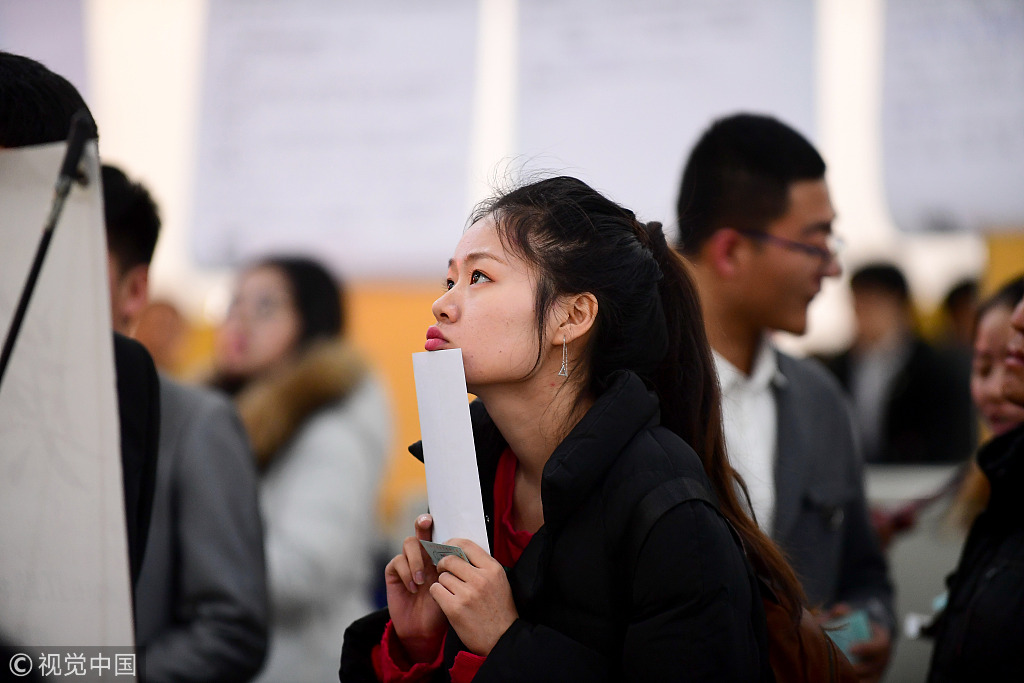
Rules aim to clarify role of government, improve development of job agencies
A regulation governing the human resource market will take effect in October to improve employment agency services, help maintain the rise in job opportunities and boost economic upgrading, senior officials said on Tuesday.
The regulation, signed by Premier Li Keqiang, is the first of its kind since reform and opening-up, said Zhang Yizhen, vice-minister of human resources and social security, at a policy briefing hosted by the State Council Information Office.
For the first time, the regulation aims to improve the development of China’s human resource service sector by clearly defining the range of services, behavior norms, management requirements and the role of the government, while attracting the participation of the private sector, said Zhang.
“In drafting the regulation, we have widely solicited opinions online from the public and suggestions from ministries, local governments and industry associations,” said Du Yaling, director of the department for social management legislation of the Ministry of Justice.
Changes had been made to the draft based on feedback from employment agencies, companies and their employees and experts, Du said.
Recent years have seen a surge in job seekers, including key groups such as college graduates and migrant workers. More than 66 million jobs were created in urban areas over the past five years.
This year, more than 8 million college graduates are looking for jobs along with more than 4 million vocational school graduates and millions of migrant workers.
Li reiterated that China has the largest human resources in the world and opportunities should be created by using the market to achieve an orderly flow of talent. All regions and departments should take diverse measures to ensure this year’s target of 11 million jobs in urban areas is fulfilled, he said at a State Council executive meeting on July 4.
By the end of last year, more than 30,000 employment agencies existed in China, earning revenue of 1.44 trillion yuan ($215 billion) and employing more than 580,000 people, according to the Ministry of Human Resources and Social Security.
These institutions provided services to 31.9 million companies and more than 200 million people in getting jobs or starting their own businesses. They also held more than 220,000 job fairs, provided more than 100 million pieces of employment information and served more than 110 million job seekers.
However, to achieve high-quality development, there is still a gap between reality and expectations, Zhang said. Many job agencies are small and fall short in using new technologies such as big data, cloud computing and mobile internet, she said.
Therefore, a new regulation is vital for improving China’s human resources markets, promoting a free and healthy flow of talent and better serving employment and high-quality development, she said.
By Hu Yongqi | China Daily |
Do something for the environment. It’s ours
Hong Kong people, especially the younger generation, talk all the time about the need to protect the environment in this city of seven million. But, they’re willing to sacrifice very little in doing that.
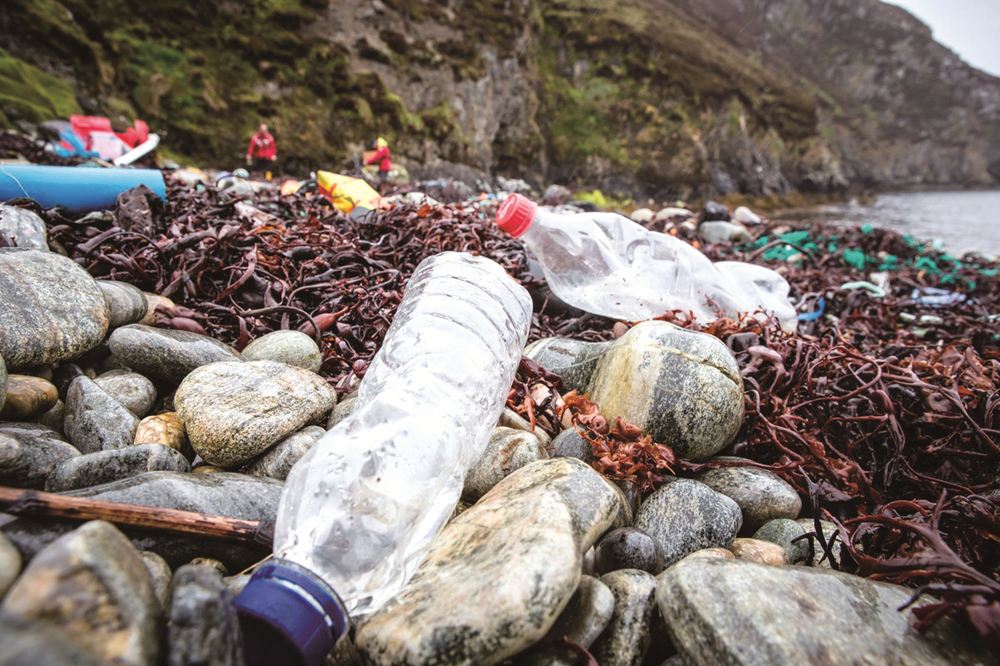
Take plastic waste for instance. Every day in Hong Kong, hundreds of thousands of styrofoam lunch boxes, along with plastic-coated cups and plastic straws, are discarded. They mostly end up in landfills that will become part of the land reclaimed from the sea.
Tons of meat, vegetables and fish are transported in large styrofoam cartons that are dumped onto the streets or in the sea after use. Pieces of these offensive white plastics can be seen at all times floating on the murky waters near the fish market in Aberdeen typhoon shelter.
There is a law requiring vendors to charge customers for one-use plastic bags. But, the charge, at 50 Hong Kong cents (about 6 US cents) apiece is too insignificant for most shoppers to care about.
While most other major world cities, including New York, London and Shanghai, are passing stricter and stricter laws to cut down the use of plastic materials, Hong Kong is sitting tight doing precious little other than complaining.
Some city authorities have banned the use of plastic straws which have long been the target of environmentalists. Discarded plastic straws, which usually end up in the ocean, are listed by environmental groups as one of the top 10 waste items found on beaches.
Coffee and tea cups have also been targeted by environmentalists, prompting some coffee outlets like Starbucks in some cities to charge customers a fee for using disposal cups. They also try to offer discounts for customers who bring their own reusable cups.
Do Hong Kong people care? Certainly not the fast-food joints which continue to provide customers with one-use plastic utensils, cups and straws. They also cater to many take-away customers who have no qualms about throwing away the styrofoam containers and plastic utensils after consuming their lunch or dinner.
Any proposal to restrict the use of plastics would trigger a storm of protests from the powerful business groups who would object to anything that could be seen to add to their costs.
Consumers will have to take the initiative to reject the use of disposable plastics for the sake of the environment.
By Peter Liang | chinadaily.com.cn |
Robust fundamentals boost Moutai
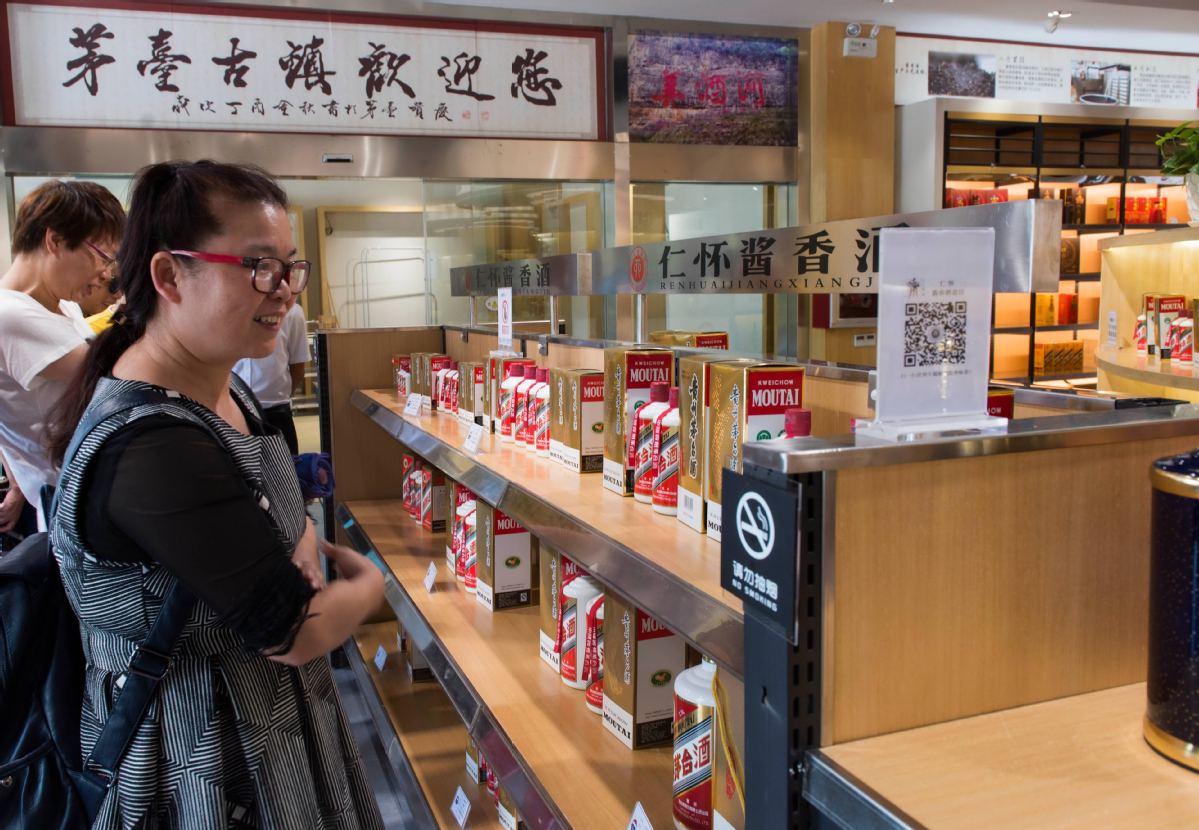
Distiller remains focused on balancing supply shortfall with soaring demand
Kweichow Moutai Co Ltd, China’s signature high-end spirit maker, netted double-digit growth rates for its major economic indicators in the first half of the year, the highest recorded in the past few years.
In the first six months of 2018, Moutai achieved sales revenue of 35 billion yuan ($5.23 billion), jumping 37 percent year-on-year. During the same period, the company’s net profits expanded by 40 percent, according to its statement released on Sunday.
Moutai, a distiller from Maotai town in Southwestern China’s Guizhou province, added that the figures are based on preliminary accounting data, meaning the final figures could differ. The company will disclose its official half-year earnings report at a later time.
Shanghai-listed Moutai closed 1.03 percent higher at 754.68 yuan per share on Monday, with a peak of 764.11 yuan during the day’s trading. Based on Monday’s closing price, the company’s valuation now stands at 948 billion yuan.
Earlier, it became the first consumer stock to achieve a market value exceeding 1 trillion yuan, higher than London-based Diageo Plc and Brazil-based Ambev SA.
Li Baofang, chairman of Moutai, said it is highly likely that the group will be able to achieve whole year sales revenue of 90 billion yuan in 2018. Next year, it is expected to achieve sales revenue of 100 billion yuan.
“The income of liquor products accounts for 94 percent of the group’s revenues, indicating that our competitive advantage and core strength are in our main business. For Moutai, it has completely transformed from a buyers’ market into a seller’s market,” he said.
“With strong demand and tight supply, we have been staying rational and trying to solve the difference between supply and demand, to help the market to maintain its balance.”
Moutai announced last year that it would raise the prices of its products by an average of 18 percent this year. Li said the market response after the company’s price adjustment is in line with expectations.
In the second half of the year, it is expected that supply will remain short of demand. As a result, balancing supply and demand will still remain the group’s major focus.
In the long term, Li said the company aims to further improve its business performance, raise competitiveness and soft power, and clear its sub-affiliates that are suffering losses or have become irrelevant.
A 500 milliliter bottle of Moutai’s classic Feitian 53 percent liquor that left the factory in 2015 now retails for 2,388 yuan on online platform JD. Earlier this year, the price of the same product was retailing for less than 2,000 yuan.
By ZHU WENQIAN/YANG JUN | China Daily |
Cheesemakers hit by tariff dispute
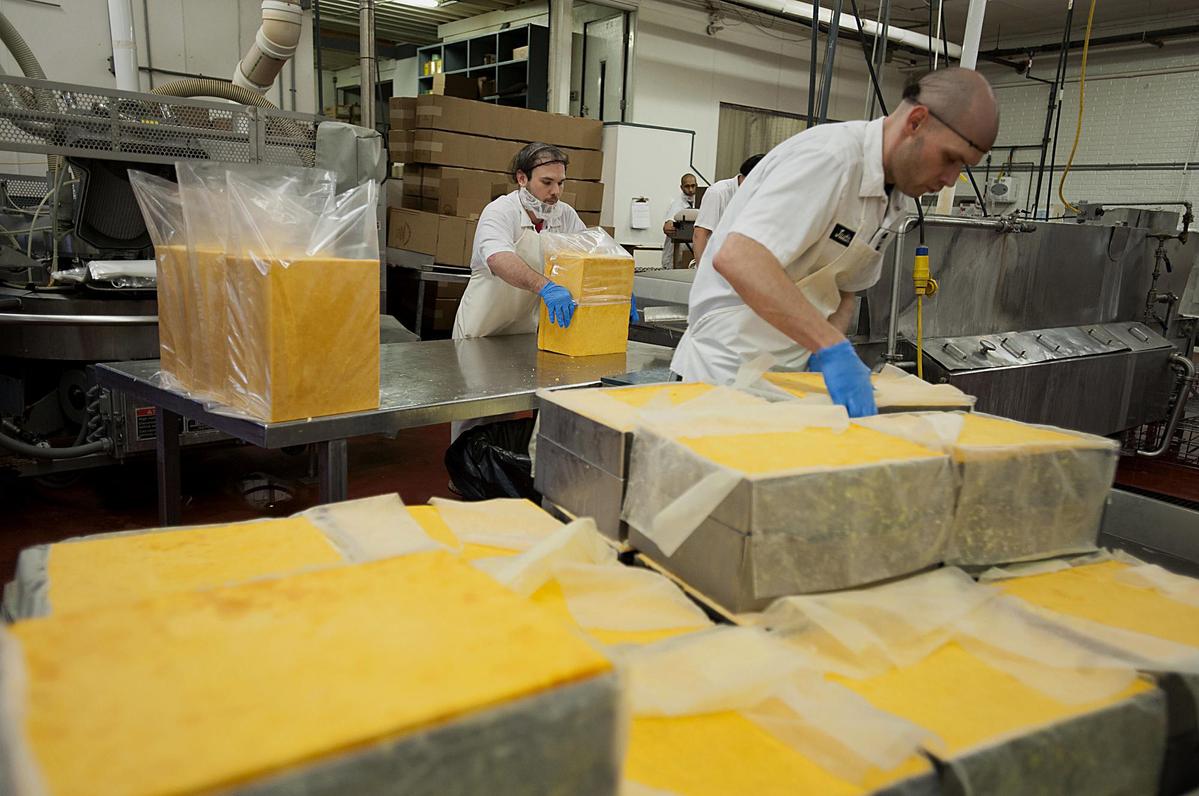
Nearly 635 million kilograms of American cheese are in cold storage in the United States. That’s roughly 1.8 kilos of cheese for every American, the highest amount since record-keeping began in 1917.
And that amount could go higher as the two main US dairy states-California and Wisconsin-deal with the impact of retaliatory tariffs on dairy products from Mexico and China.
On July 5, Mexico and China put tariffs on $986 million worth of US dairy exports-$408 million worth of cheese to China and $578 million worth of dairy products to Mexico-as retaliation for the Trump administration’s tariffs on imports of steel and aluminum. US dairy exports totaled $5.5 billion last year, including $1.3 billion to Mexico alone, according to the US Agriculture Department.
Mexican officials have said that its list was designed to hit at parts of the US represented by high-profile Republicans: steel from Vice-President Mike Pence’s home state of Indiana, cheese from House Speaker Paul Ryan’s home state of Wisconsin, and motorboats from Senator Marco Rubio’s Florida.
In addition to the tariffs, US farmers also fear that they could lose access to Canada and Mexico if Trump goes ahead with his threat to withdraw from the North American Free Trade Agreement.
“If export markets get shut off, I could see us getting to the point where we’re dumping our milk in the fields,” Jeff Schwager, the president of Sartori Co, in Plymouth, Wisconsin, told The New York Times. “It’ll be a big ripple effect through the state.”
Sartori has produced cheese in Plymouth for generations with milk it purchases from more than 100 dairy farms throughout the state.
Plymouth was once the site of the National Cheese Exchange, where cheese commodity prices were set. The town of 8,445 people, about an hour north of Milwaukee, calls itself the cheese capital of the world. About 15 percent of all US cheese passes through the town.
Sartori employs roughly 500 workers in the state. The company said it earns just one-tenth of its revenue from exports to 49 countries, but exports to foreign markets are its fastest growing segment. Sartori’s two biggest foreign markets are Mexico and Canada and US cheese is more expensive there now. The price increase is enough that the company’s customers, including restaurant chains, are looking at signing contracts with Sartori’s European competitors, according to Schwager.
He said that overproduction has already created a glut of milk on the market, driving down dairy prices and threatening some of the 130 family farms on which he relies.
Schwager estimated the new tariffs will cut 1.5 percent, or around $4 million, from his roughly $265 million in annual cheese sales.
July milk futures have dropped 12 percent since Mexico announced that it would strike back with tariffs, according to dairy industry officials. The current price is around $34 per 100 kilos, below the average for 2017.
The price for a barrel, or 227 kilos, of white cheddar last week hit its lowest level since 2009, according to commodities analysts. Dick Groves, publisher of Wisconsin-based Cheese Reporter, said that the real impact of the dispute has yet to be reflected in official statistics.
BelGioioso Cheese Inc, a second-generation family company in Green Bay, Wisconsin, said sales to Mexico already have dropped. “It’s a nightmare,” Errico Auricchio, BelGioioso’s president, told The Wall Street Journal. BelGioioso is charging some overseas customers less to keep their business.
In California, Annie AcMoody, director of economic analysis for Western United Dairymen, a trade association in Modesto, said the new tariffs and depressed markets “will certainly send some more dairies out of business”.
While Wisconsin may have the most dairy farms, 8,500, California is the nation’s No 1 dairy producer, turning out 17.7 billion kilos of milk in 2017. The state accounts for one-third of the US dairy products exported abroad, much of it being cheese and milk powder, which are highly sought by Mexico and China.
The dairy industry contributes $43.4 billion to Wisconsin’s state’s economy. The US Chamber of Commerce says retaliatory tariffs against the US threaten about a billion dollars of Wisconsin’s exports, including cheese, cranberries and Harley-Davidson motorcycles. To escape the European Union’s tariffs on US imports, Harley-Davidson said that it would move some production to Europe.
Dairy farmers throughout the US have had to deal with declining milk consumption for decades, so many have turned more of the milk into cheese. To sell it all, farmers have aggressively marketed their products to growing middle-income populations in Mexico and Asia, especially China. Mexico consumes a quarter of foreign demand for US dairy.
If the tariffs stay in place for more than six months, dairy farmers need to find new markets for cheese, and can expect milk prices to continue to fall, according to a report from agribusiness research firm Rabobank.
Schwager told ABC News in Wisconsin that if the trade dispute goes on long enough, it will eventually affect Sartori’s employees and the dairy farms that supply the company.
“It’s 500 families, within the processing. When we look at the dairy farms out there, that we buy 100 percent of their milk, there’s another, you know, 700 families there. It’s 1,200 families that are counting on us to make the right decisions and provide for their livelihoods,” he said.
As for Trump’s threat of more tariffs, Schwager said, “I don’t know that it’s a bluff, but I sure hope there’s a strategy behind this.”
By Ai Heping in New York | China Daily |
Latest US tariff threat slammed
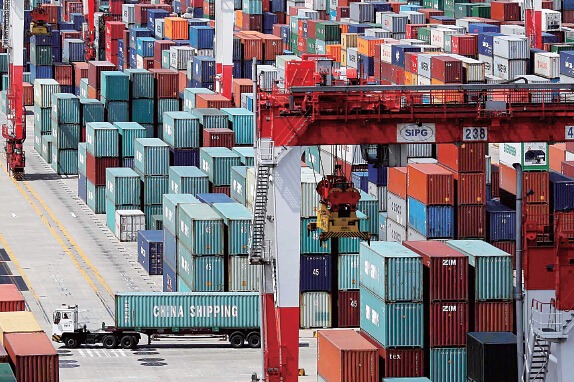
China vows to retaliate against ‘hegemony and bullying’ tactics
China denounced the United States’ latest threat to impose tariffs on an extra $200 billion worth of Chinese imports as “totally unacceptable” trade hegemony and bullying, and vowed on Wednesday to fight back to protect its “core interests”.
It is totally unacceptable for the US to publish a tariff list in a way that escalates tensions, the Ministry of Commerce said in a statement.
“To defend the core interests of the nation and its people, the Chinese government will, as always, be forced to impose necessary countermeasures,” it said.
The ministry gave no details of possible retaliation, but Beijing earlier promised both “qualitative and quantitative” comprehensive countermeasures. It also said it will add a new suit against the US before the WTO regarding the newly proposed tariffs.
Also on Wednesday, Foreign Ministry spokeswoman Hua Chunying described the US’ latest move as “trade hegemony and bullying”, saying China will have to respond to firmly safeguard its legitimate interests.
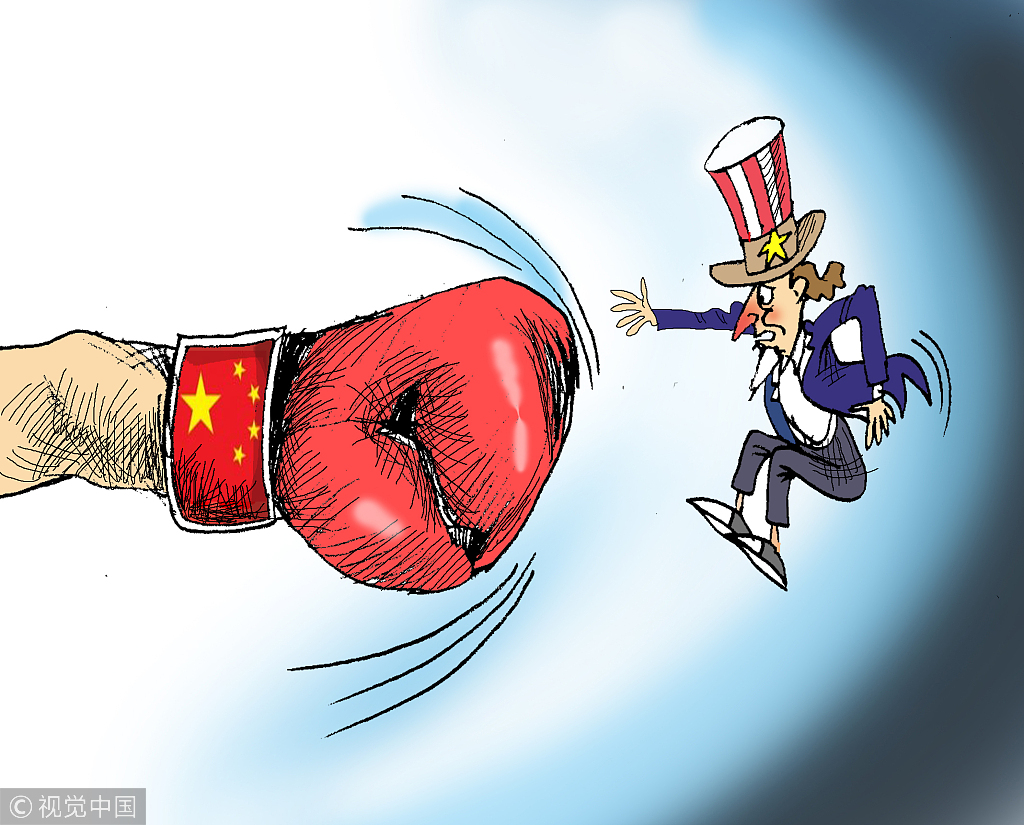
China stands on the right side of history in defending multilateralism, Hua added.
Their remarks came after the Office of the US Trade Representative announced on Tuesday a $200 billion list of Chinese goods for possible 10 percent tariffs.
The items ranged from electronic components to cat food. The US claimed the tariffs were in response to Beijing’s “failure” to change its policies and in retaliation for last week’s US tariff hike by increasing duties on US goods.
The spiraling conflict has prompted warnings it might chill global economic growth.
Li Chenggang, assistant commerce minister, said additional tariffs will put tremendous pressure on global companies and consumers.
He said China will not change its long-term commitment to improving the domestic business environment, opposing unilateral measures and supporting the multilateral trading system.
The latest list of $200 billion in products to be subject to tariffs against China doubles down on a reckless strategy that will boomerang and harm US families and workers, according to David French, senior vice-president for government relations of the National Retail Federation in the US.
“Tariffs on such a broad scope of products make it inconceivable that American consumers will dodge this tax increase as prices of everyday products will be forced to rise,” French said in a statement.
The US is seeking public opinion regarding the latest proposed modification of tariffs on Chinese goods. The public comment period ends on Aug 30.
Uncertainties may still exist about whether the whole list will finally take effect and what kinds of goods will be targeted, said Ma Jun, a member of the People’s Bank of China’s monetary policy committee.
China is busy studying the impact of an escalating trade war on affected companies and industries, and might consider adopting new measures to minimize negative impacts, according to Ma.
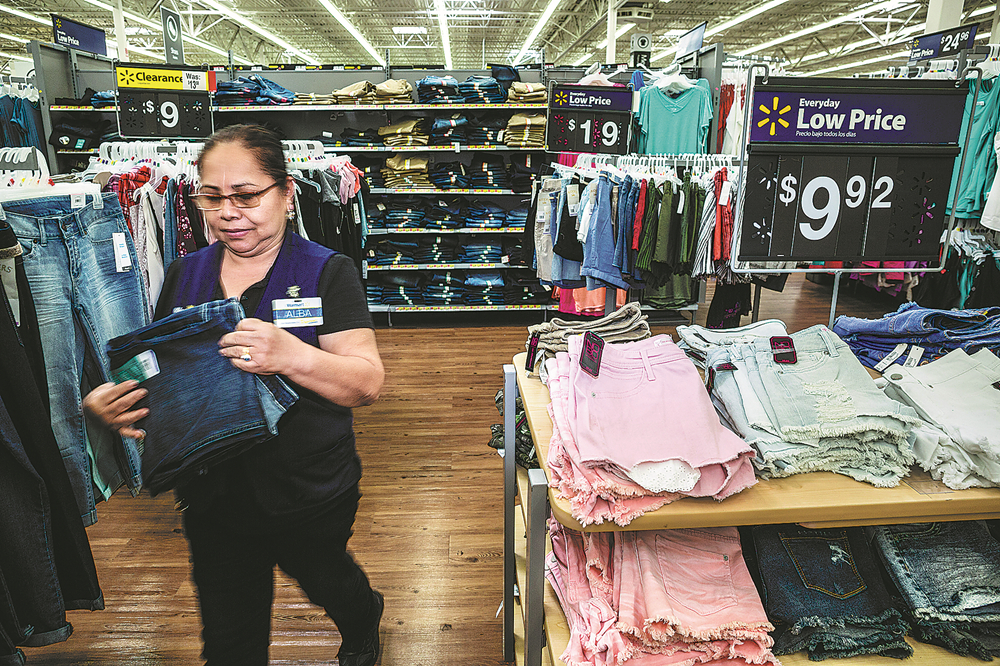
More global experts on trade are expressing serious concerns on the latest protectionist tariffs introduced by the US against China, the European Union, Mexico and Canada.
Such tariffs, they say, severely affect the global supply chain and put an extra burden on multinationals, including US companies sourcing components from the rest of the world.
“With regret from many (countries) around the world, the US has departed from the principle of free trade and has embarked on a full-blown trade war,” said Christopher Bovis, a professor of international business law at the University of Hull in England.
“The US actions threaten to unseat global supply chain arrangements and destroy existing trade partnerships that have promoted economic growth and employment in many parts of the world.”
Hans Uszkoreit, an academician with the European Academy of Sciences, said against the backdrop of China-US trade tensions, economic, scientific and technological cooperation between China and the European Union are expected to be put on a fast track.
Uszkoreit expected that the trade spat can, to some extent, “bring China (and the) EU closer”, as the two already share long historical links and manufacturing connections.
On July 6, US tariffs on $34 billion of Chinese goods, including medical devices and airplane parts, took effect.
Douglas Morton, head of Asia research at Northern Trust Capital Markets, contended that the tariffs, which also impact exchange rates, will create challenges for multinationals that take out loans in one market to pay for their expansion in another.
Airlines and property companies are also especially vulnerable to exchange rate fluctuations, Morton added.
Zhao Huanxin in Washington and Ren Xiaojin in Beijing contributed to this story.
By Cecily Liu,Zhong Nan,Jing Shuiyu | China Daily |
California growers of Pima cotton will feel tariff impact
By AI HEIPING | China Daily USA
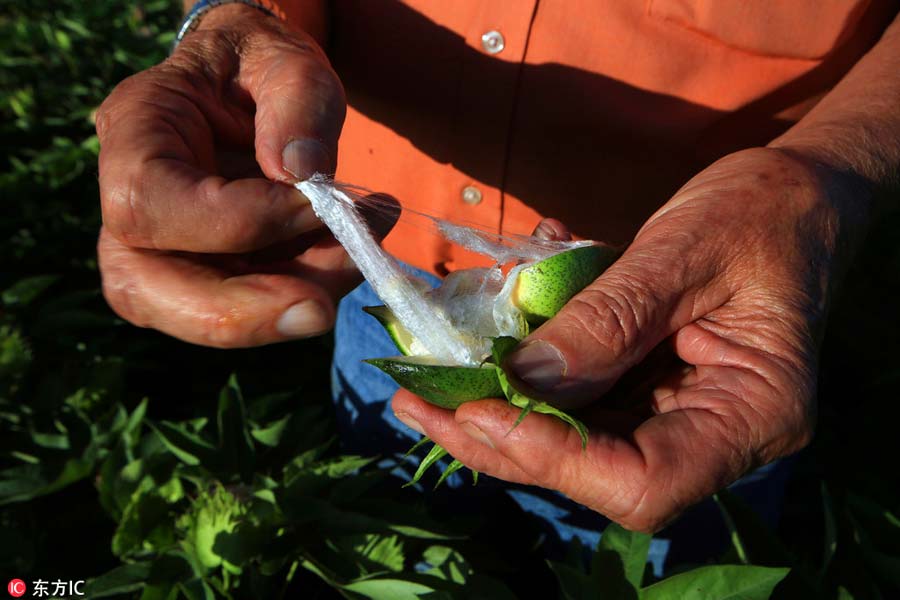
There is uncombed cotton. Combed cotton. And Pima cotton.
All of it is grown by US farmers and as of Friday, it’s subject to the 25 percent tariff that China has slapped on $34 billion worth of US goods in retaliation for the same tariff percentage on the same amount of goods imposed by the Trump administration earlier Friday.
Cotton is produced in 17 states. Texas produces the most, followed by Georgia and Mississippi. In 2017, the US produced 21.3 million bales of cotton, according to the US Department of Agriculture (USDA).
The US is the world’s largest exporting country for cotton and exports around three to four times more than what is consumed domestically. For the past decade, cotton contributed around $5.48 billion annually to the US farm-level production value, the USDA said.
American Upland cotton and American Pima cotton are two cotton species grown in the US. Upland cotton made up around 96.7 percent of all US cotton production in 2017, according to the USDA. Pima cotton is primarily grown in California and Arizona. Pima cotton is soft to the touch and durable.
In the Central Valley region of California, one type of cotton that represents the majority of the state’s cotton acreage and that will be hit by the tariffs is the highly prized long-staple American Pima cotton. It’s soft to the touch and durable. Most of the crop is exported to China and India.
California exported $88.5 million worth of cotton to China and Hong Kong in 2016. For the 2017-18 crop year, that value has jumped to about $185 million due to increased shipments, said Jarral Neeper, president of Calcot, which markets cotton from California, Arizona, New Mexico and Texas.
It’ll be difficult for China to find another reliable source of Pima cotton, Neeper told The Daily Democrat newspaper in Woodland, California. because there aren’t too many places except California that produce it. China could buy extra-long staple cotton from Egypt, and there are some varieties of Pima produced in India, but not as good quality, he added.
Many textile mills have licenses to use the Supima trademark and the only way they could produce their goods is to buy US Pima cotton, Neeper said.
With the tariff, the mills will have to pay more, and then that apparel will come back to the US and hit consumers with a higher price, he said.
“All of a sudden, your $80 Brooks Brothers dress shirt is 150 bucks,” Neeper said.
“This is an issue that is going to affect the US cotton industry rather significantly as China has traditionally been a larger buyer of US cotton and a massive supplier of products back to the US market,” said Marc Lewkowitz, the president and CEO of Supima, a nonprofit promotional organization in Arizona representing American Pima-cotton growers. It is also the owner of the Supima trademark for American Pima.
He said that about 95 percent of the American Pima crop is exported every year, and typically China imports about 40 percent of that crop. For the crop year that runs through July 31, China has purchased 239,200 bales, or approximately 120 million pounds of the fiber, valued at around $200 million, Lewkowitz told California Apparel News.
Cannon Michael, president and chief executive of Bowles Farming Company, which grows Supima and other cotton on land near Los Baños, California, said some speculators have pulled out of the market, which has put a damper on cotton prices.
His farm exports about 60 percent of its cotton crop to China and another 40 percent to India. “Any trade disruption is potentially negative,” he told Apparel News, “especially for states like California that export a lot of agricultural products
Once the world’s top cotton importers, China has seen its imports reduced to around 1 million tons last year, mainly due to efforts to reduce its state stockpiles. As the inventories are reduced, China has begun allowing more imports, cotton industry analysts said.
China is set to return as a major cotton importer, taking 10 million to 15 million bales (2 million to 3 million tons) a year by 2019/20, compared with 5 million bales this year, according to Tim Bourgois, head of the cotton platform at Louis Dreyfus Company.
“Chinese demand is huge. This is an opportunity for India to raise exports,” said Atul Ganatra, president of the Cotton Association of India.
India has lower freight rates, and shipments from India reach China in about two weeks compared to an average of three to six weeks from other producers Australia and Brazil, dealers told Reuters.
The weak rupee also makes India’s exports more appealing, and freight costs to the neighboring Asian country can be relatively cheap, Keith Brown, president of Keith Brown & Co, a brokerage in Moultrie, Georgia, told Bloomberg. “It’s a question of price and proximity.”
By AI HEIPING | China Daily USA
China calls proposed tariffs on $200b worth of goods ‘unacceptable’
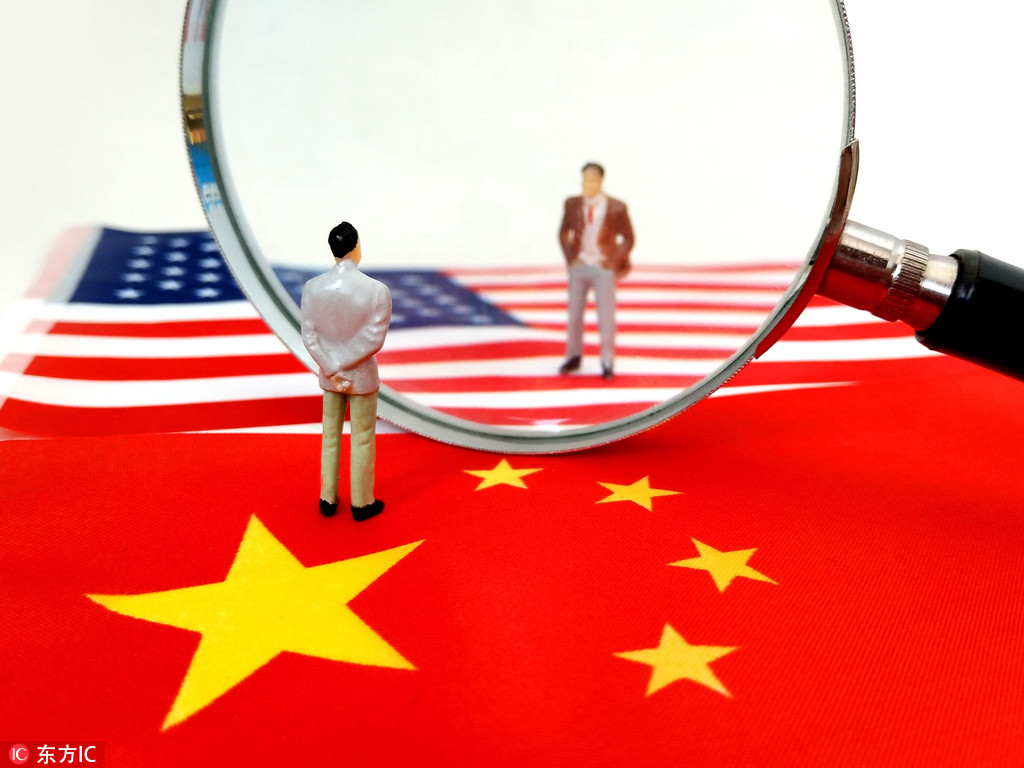
The latest proposed tariffs by the United States on $200 billion worth of Chinese imports are unacceptable, a spokesperson with China’s Ministry of Commerce said on Wednesday.
It harms China, the world, as well as the United States itself. It’s irrational and will not be accepted by people, said the spokesperson.
The Chinese side was shocked at the US’ latest move. In order to protect the country’s core interests and people’s basic interests, the Chinese government will always take countermeasures, said the ministry.
China calls on mutual efforts from the international community to maintain the practice of free trade and the multilateral trading system, and fight trade bullying, it said.
China will tack on the case to its suit against the US at the World Trade Organization, the ministry added.
chinadaily.com.cn
BASF to establish $10b site in Guangdong
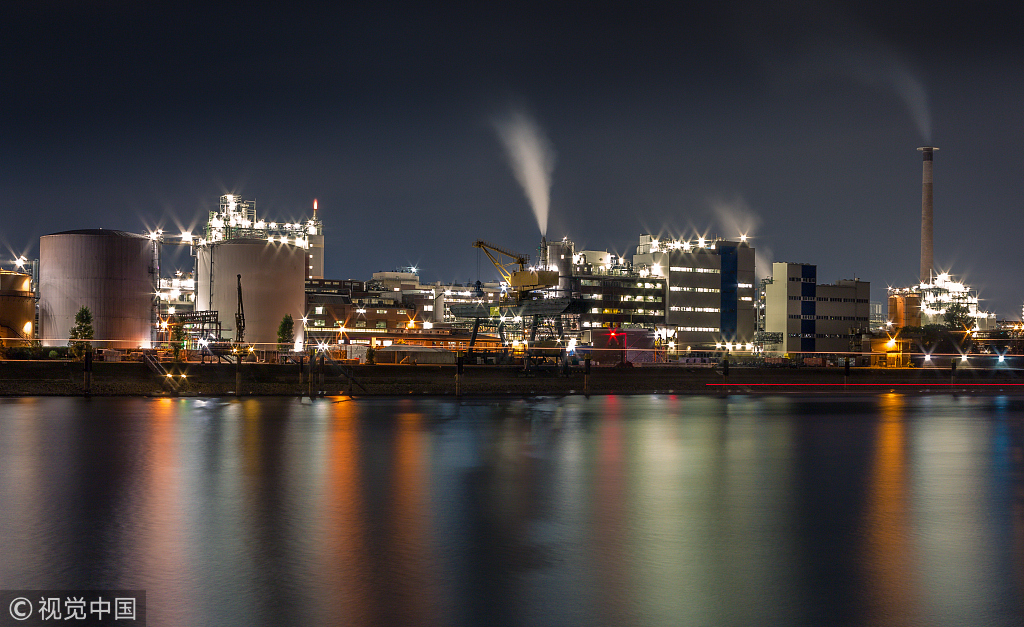
German chemical giant BASF will invest $10 billion to build a Verbund chemical production site in South China’s Guangdong province as its largest investment project to date, according to a company press release.
Martin Brudermüller, chairman of the board of executive directors of BASF SE, and Lin Shaochun, vice-governor of Guangdong province, signed a non-binding memorandum of understanding in the presence of visiting Chinese Premier Li Keqiang and German Chancellor Angela Merkel in Berlin, Germany on July 9.
The Verbund site in Guangdong would be BASF’s largest investment, and be operated under the sole responsibility of BASF. The site would ultimately be the third-largest BASF site worldwide, following Ludwigshafen, Germany and Antwerp, Belgium. The investment is estimated to reach up to $10 billion by the project’s completion in around 2030.
The first phase of the project includes a steam cracker with a planned annual capacity of one million tons of ethylene as the core of its Verbund system. Multiple downstream units will be established at the later phase to provide more consumer-oriented products and solutions for transportation and consumer goods industries.
The clients of the above-mentioned and other fast-growing industries have all invested in Guangdong, China’s most densely populated province. With more than 110 million people, Guangdong enjoys an annual gross domestic product growth rate of about 7 percent. The total volume of its GDP has exceeded Spain, and will soon catch up with that of South Korea.
Another Verbund site of BASF in China is located in Nanjing, East China’s Jiangsu province. Established in 2000, the Nanjing site is a 50:50 joint venture between BASF and Sinopec.
By Wang Junwei | chinadaily.com.cn


