
Kenya thankful for China’s food donation
Kenya is the latest beneficiary of a series of food donations from China that have been provided to African countries to help the continent mitigate food insecurity resulting from changes in weather patterns.
Beijing has announced a donation of 21,000 metric tons of rice worth Ksh2.25 billion ($21.9 million; 20.5 million euros; 17.5 million) to be distributed to hunger-ravaged Kenyans in 23 counties. The first shipment of food is expected to arrive in Kenya in about a month.
According to Henry Rotich, Kenya’s treasury secretary, approximately 3 million Kenyans in both rural and urban areas are at risk of starvation.
The Chinese government responded to Kenyan President Uhuru Kenyatta’s appeal in February for food aid from the international community, after declaring drought in the country a national disaster.
According to the national treasury, approximately 3 million Kenyans in both urban and rural areas are affected. Children under 5 years and expectant and lactating mothers are highly vulnerable to malnutrition.
“I wish to thank the government of China for the quick response to the president’s appeal,” Rotich said. The grant will go a long way toward supplementing the ongoing government efforts addressing the food crisis.”
Rotich says the Kenyan government is working with the Chinese government on long-term mitigation measures like irrigation programs in drought-prone areas.
Liu Xianfa, the Chinese ambassador to Kenya, says the donated rice will be able to support 1.4 million people for a month on average.
“China has always paid attention to the drought situation in Kenya. For the past three years, we have been mobilizing the Chinese community in the country to support drought victims through food and water donations.
Since late last year, the Chinese government has donated rice to several African countries to help them mitigate the food crisis. Beneficiaries include Uganda, Zimbabwe, Malawi and Sierra Leone.
Toward the end of February, Beijing donated 5,983 tons of rice worth Ksh22 billion ($6.1 million; 5.7 million euros; 4.9 million) to Uganda to support drought-stricken people in the country.
About 10.9 million Ugandans are experiencing acute food shortages, while 1.6 million have no food at all, according to Uganda Food Security Outlook for June through January.
Food security is attributed to prolonged severe drought, which has affected crop production, leading to increased food prices.
In September, the Chinese government donated 19,000 tons of rice worth $24.6 million to Zimbabwe. About 4 million people in the country are in need of food aid.
It also promised to donate 10,000 tons of urea fertilizer to be distributed to the farmers who were to take part in a government maize production program to produce 2 million tons of grain.
Handing over the donation, Chinese Ambassador Huang Ping was quoted by Xinhua News Agency as saying the grant was a fulfilment of the drought-relief pledge made to affected African countries by Chinese President Xi Jinping at the Forum on China-Africa Cooperation (FOCAC) summit held in South Africa in December 2015.
“Today’s event testifies to the strong ties between China and Zimbabwe as all-weather partners, especially in the area of food security and agriculture,” Huang said.
Chinese Ambassador to Sierra Leone Wu Ping told Agriculture Minister Monty Jones recently that China will donate 6,300 tons of rice, equivalent to 126,000 50-kilogram bags of rice.
By the end of last year, China donated 6,000 tons of rice to be distributed to 271,266 households in 16 of 24 districts affected by drought in Malawi.
感谢在这次VIV与大家见面,更感谢大家在这十年里对我们的支持
感谢在这次VIV与大家见面,更感谢大家在这十年里对我们的支持。
这次VIV 我们有着极大的收获,结识了更多的有才之士与合作伙伴。
希望能在今后的日子里,为农业行业的朋友们,提供更多的机会,更好的服务!
上图
欲了解更多行业内高薪职位,请关注我们的Linkedin公司账号:
http://www.linkedin.com/company-beta/2569539/
为了中国农业及您个人更好的发展,请关注:
我们的网站:https://aartd.com
长按二维码,点击识别图中二维码,一键加关注!
Let’s meet at VIV and celebrating our 10 years!

记AARTD团建:吃喝玩儿乐在美丽的济州岛!
转眼已是年底,为了感谢大家一年的辛勤工作以及庆祝收获的成果,AARTD team 的姑娘们换上靓丽的休闲妆容,共赴美丽的济州岛,展开了各种吃喝玩儿乐,各种放松自我的快乐旅程。
由于精彩的照片太多,而篇幅有限,挑照片成了量大而又纠结的工作,直到今天小编才整理好,准备跟大家一齐分享济州岛的美景,美食,和AARTD 美丽的姑娘们,以及姑娘们美丽的心情。(点击文中图片看大图)
落地济州岛,一出机场,清新的海风迎面吹来,让久在北京吸雾霾的我们从内而外地感到轻松与舒爽。美女导游是韩国人,风趣幽默,中文说得非常好。路逢超市,迫不及待地品尝了“传说中的”香蕉牛奶,味道果然鲜美淳厚。
来到济州岛的第一个黄昏,美不胜收。
一,吃货篇
爱吃是女人的天性,尤其韩剧中的啤酒炸鸡,济州岛的海鲜……无疑会让我们眼中大放光彩,直奔而去!吃货的借口是:品尝当地美味,是感受当地文化的必要手段。有了这个借口,我们就开始了肆无忌惮的各种的大吃大喝!
二,游山玩水篇
爬山:日出峰
出海: 坐游轮去牛岛。海水清澈见底,海鸥盘旋。
牛岛:火山喷发形成的小岛,沙滩是黑沙滩。由于海水太过清澈,映出水底的礁石,所以海的颜色是五颜六色的。牛岛是个舒适恬静的小岛,适合在一个下午喝一杯咖啡,望着美景出神,享受内心的放松与宁静。
清晨——爬汉拿山
原来汉拿山在韩国既不是烧烤店,也不是温泉酒店,而是韩国最高的,具有代表性的,人们心中神圣的,并且可以爬的山。
民俗村,大长今拍摄地。如今还保留的原著民文化。
过去的济州岛是韩国的流放地,大家要自力更生,女人没有地位,男人一夫多妻……详情见《大长今》
浦海岸柱状节理带。柱状节理带是汉拿山喷出的熔岩流入中文地区前海时冷却而成,由大大小小的四方或六角成的石柱(30米)组成
过去这一带在行政区划上叫作“Jisatgae”,因此现在也保留这一名称。
来看柱状节理带的姑娘们
三,更多美人美景篇
四,和济州岛说再见
为期四天的济州岛之旅充实而愉快,2016年也随之即将圆满结束。
我们面朝大海,对碧海蓝天挥挥手,告别今年,迎接明年。
欲了解更多行业内高薪职位,请关注我们的Linkedin公司账号:
http://www.linkedin.com/company/aartd—asian-agribusiness-recruitment-training-&-development
为了中国农业及您个人更好的发展,请关注:
我们的网站:https://aartd.com
长按二维码,点击识别图中二维码,一键加关注!
AARTD,EuroTier2016之旅 圆满结束
EuroTier2016德国汉诺威国际畜牧展于11月18日在汉诺威展览馆正式闭幕。该展会每两年举办一次,是全球最大的畜牧业展会。AARTD团队在这次盛会上收获颇多,不仅结识了更多朋友,还收集了大量西方畜牧业先进技术的知识。
接下来,让我们总结并回顾EuroTier2016中的一些亮点。
众多国际知名企业云集(部分)

创新技术和创新产品的展示成为了EuroTier最重要的亮点(部分)

荷兰MS Schippers最新创新产品HyCare是可移动的,每个产床都是独立的。通过升降系统可以随时将整个产床移动到相应的位置进行清洁或作其他相应处理。可避免不同猪栏和不同批次猪只之间的交叉污染,这可显著改善猪只的健康状况,减少用药量和优化生产结果。

一代科产品,拥有独立粪槽的产床。产床自身设计时已经有支撑架,可直接置于平地上,土建时可降低成本。此外,每个产床底下配有由专利材料制作而成的独立粪槽,避免不同粪槽间交叉感染。

Leendersroosters生产的最新产品,产床专用漏缝地板。如图,产床后部的地板缝隙是可调整的,产前,母猪粪便从缝隙较大的地板处掉落,而当母猪分娩时,将有另一面缝隙更小的地板覆盖到原来的大缝隙地板上,起到保护仔猪的作用。

Rovfluen的产品,通过悬挂在猪舍中某处位置,可以逐渐培育出Slurry flies(粪蝇),而粪蝇是专门用于控制害虫的。粪蝇是猪场常见害虫的天敌,幼小的粪蝇捕食猪场常见害虫后会自我分解,因此,生命周期也很有限。粪蝇主要集中在粪坑黑暗处,尤其是粪便的液体表面,最终在无声无息中死掉,但同时也为猪舍自然控制了害虫。更重要的是,粪蝇对人和动物均100%无害。

德国Minitube公猪精液自动灌装机HyPack处理速度可达1800个精液管/小时,保证工作效率和精液效能。

粪污处理设备

农场专用车
今年的展览区布局:
主办方德国农业协会(DLG)将展览区按照畜种进行了划分,使布局更加清晰,从而使国际观众也能更加容易地找到他们感兴趣的产品与创新技术。此外,观众还可以免费乘坐穿梭巴士,快速便捷地往来于展馆之间。
“顶级牛模特展示会”:顶尖牛育种遗传谱系
德国汉诺威国际畜牧展EuroTier再次以独特方式呈现欧洲顶级牛育种遗传学,德国及国际领先的育种机构将在“顶级牛模特展示会”上介绍他们育种成果——具备优良基因的种牛(肉牛和奶牛),并进行“选美”。除了丰富而生动的现场展示,还有育种专家现场指导如何为农场选择正确的种牛。(每日报告以德语进行,间或以英语和俄语)。
“实现全年的乳房健康”
对于奶农们而言,今年的年度话题为“实现全年的乳房健康”,以及聚焦如何保持并提升乳房健康。例如,每月的监测报告可以为奶农们提供奶牛乳房健康相关的数据以及牛群健康状况的信息。
“猪业发展,顺应未来”
猪业亮点——“猪业发展,顺应未来”是由农业建筑协会(BFL)和德国农业协会(DLG)联合发起的,并就稳定的畜舍搭建、空气调节、喂养及健康管理等主要议题进行了详细探讨。其中,无麻醉阉割是该领域讨论的聚焦点。
“室内排放控制”
一大亮点是关于家禽养殖大棚“室内排放控制”。除了参展商相关陈列的产品,专家也提供了科研的解决方法“室内减排步骤”,以将灰尘、氨气和气味降到最低。所示方法可清洁所排放的气体,降低有害排放物含量,并将对动物健康和福利以及农民的工作条件发挥积极的影响。
欧洲分布式能源展与沼气大会
欧洲分布式能源展EnergyDecentral是特为创新能源供应举办的国际性专业展会,330家专业参展商在此展示了能源和热能分散供应领域的最新趋势、国际发展和解决方案,包括智能网络、存储与承包。此外,沼气、热电厂与秸秆、木材和风力发电等相关产品与技术也在展会上得以充分呈现。德国沼气协会在欧洲分布式能源展同期还举办了沼气大会,公布了沼气产业的最新动态。
水产养殖
水产养殖是德国汉诺威国际畜牧展EuroTier的固定组成部分,行业领导者就鱼类生产、环境工程及水管理提供了广泛的解决方案。此次,德国农业协会(DLG)再次成立了一个论坛和一个水产养殖咨询中心,以满足这一专业领域人员对信息的高需求。实用导向型的报告演示、讨论会以及全面咨询作为参展商产品的补充提供给了大家。
兽医大会
2016年德国兽医从业者协会(BPT)再次与EuroTier合作,在展会现场举行兽医年度大会及兽医医学展会。由德国农业协会(DLG)、德国兽医从业者协会(BPT)和汉诺威兽医大学于11月17日联合举办的“国际动物健康活动”作为会议及联系活动场地成为德国汉诺威国际畜牧展EuroTier与德国兽医从业者协会(BPT)兽医年度大会之间的纽带。
未来专业畜牧生产论坛
德国汉诺威国际畜牧展EuroTier是未来专业畜牧生产最重要的论坛,聚焦技术发展趋势,解答与现代畜牧和育种有关的关键问题。同来自商业、科学和咨询领域的合作协会和组织一起,DLG再次推出了一系列全面的国际演示与讨论会活动,以补充参展商的产品。
AARTD 团队在EuroTier
与大家共同走过的近十年里,我们同舟共济,携手并进。接下来的日子我们会 再接再厉,希望继续与你们结伴而行。期待下次相会。


欲了解更多行业内高薪职位,请关注我们的Linkedin公司账号:
http://www.linkedin.com/company/aartd—asian-agribusiness-recruitment-training-&-development
为了中国农业及您个人更好的发展,请关注:
我们的网站:https://aartd.com

AARTD 在 汉诺威国际畜牧展(EuroTier) 的第一天
拥有近20年历史的汉诺威国际畜牧展,是全球畜牧业行业举办的世界顶级盛会,于德国时间11月15日正式开幕。EuroTier的展览范围涵盖猪业、牛业、禽业、水产和农业有机废弃物处理等,涉及动物饲养繁育、畜牧机械、饲料和饲料添加剂、兽医兽药等畜牧产业链的所有环节。
AARTD团队远赴德国,有幸亲自体验了这次盛会。在这里我们结识了很多新朋友,还收获了大量行业内最前沿的信息。

AARTD 在 EuroTier 的第一天
各大国际品牌玲琅满目,展示了各自的最新产品和前沿科技。

AARTD 资深顾问与各大企业高管进行了深入详尽访谈,学习并了解到了企业的最新动态以及行业的尖端信息。


此次会议不同往届,鉴于展商数量不断的增加,展览区将会按照动物种类进行划分,不仅使布局更加清晰,还可以突出本次展会的亮点。
亮点一,顶级牛模特展示会。在展会上,将以独特的方式呈现欧洲顶级牛育种遗传学,并介绍育种成果。除了丰富的现场展示,还有育种专家现场的指导。
亮点二,猪业亮点。主要针对如何进行稳定的畜舍搭建、空气调节、喂养以及健康管理为主要议题,其中无麻醉阉割技术是关注的焦点。
亮点三,禽业亮点。如何将灰尘、氨气和气味降到最低?专家将展示可以清洁所排放的气体的方法。这种方法不仅可以降低有害物质的浓度还能提高员工福利,此方法值得关注。
在 EuroTier 的第一天 ,我们结识到了不少新的朋友。我们会互帮互助,时刻走在行业的最前端,为中国农业的发展做出贡献。

德国汉诺威畜牧展作为全球领先、国际一流、兼具综合性与专业性的畜牧业展会,它不仅是企业展示的平台,也是国际企业投放新产品的平台,更是未来专业畜牧生产最重要的论坛。据统计,此次论坛共计来自581个国家2629参展商参展,其中来自中国的展商有179家,观展人数达到2800余人。
更多精彩稍后继续,我们期待盛会的第二天!
来源:AARTD
欲了解更多行业内高薪职位,请关注我们的Linkedin公司账号:http://www.linkedin.com/company/aartd—asian-agribusiness-recruitment-training-&-development
为了中国农业及您个人更好的发展,请关注:我们的网站:https://aartd.com拥有近20年历史的汉诺威国际畜牧展,是全球畜牧业行业举办的世界顶级盛会,于德国时间11月15日正式开幕。EuroTier的展览范围涵盖猪业、牛业、禽业、水产和农业有机废弃物处理等,涉及动物饲养繁育、畜牧机械、饲料和饲料添加剂、兽医兽药等畜牧产业链的所有环节。
AARTD团队远赴德国,有幸亲自体验了这次盛会。在这里我们结识了很多新朋友,还收获了大量行业内最前沿的信息。
AARTD 在 EuroTier 的第一天
各大国际品牌玲琅满目,展示了各自的最新产品和前沿科技。
AARTD 资深顾问与各大企业高管进行了深入详尽访谈,学习并了解到了企业的最新动态以及行业的尖端信息。
此次会议不同往届,鉴于展商数量不断的增加,展览区将会按照动物种类进行划分,不仅使布局更加清晰,还可以突出本次展会的亮点。
亮点一,顶级牛模特展示会。在展会上,将以独特的方式呈现欧洲顶级牛育种遗传学,并介绍育种成果。除了丰富的现场展示,还有育种专家现场的指导。
亮点二,猪业亮点。主要针对如何进行稳定的畜舍搭建、空气调节、喂养以及健康管理为主要议题,其中无麻醉阉割技术是关注的焦点。
亮点三,禽业亮点。如何将灰尘、氨气和气味降到最低?专家将展示可以清洁所排放的气体的方法。这种方法不仅可以降低有害物质的浓度还能提高员工福利,此方法值得关注。
在 EuroTier 的第一天 ,我们结识到了不少新的朋友。我们会互帮互助,时刻走在行业的最前端,为中国农业的发展做出贡献。
德国汉诺威畜牧展作为全球领先、国际一流、兼具综合性与专业性的畜牧业展会,它不仅是企业展示的平台,也是国际企业投放新产品的平台,更是未来专业畜牧生产最重要的论坛。据统计,此次论坛共计来自581个国家2629参展商参展,其中来自中国的展商有179家,观展人数达到2800余人。
更多精彩稍后继续,我们期待盛会的第二天!
来源:AARTD
欲了解更多行业内高薪职位,请关注我们的Linkedin公司账号:http://www.linkedin.com/company/aartd—asian-agribusiness-recruitment-training-&-development
为了中国农业及您个人更好的发展,请关注:我们的网站:https://aartd.com拥有近20年历史的汉诺威国际畜牧展,是全球畜牧业行业举办的世界顶级盛会,于德国时间11月15日正式开幕。EuroTier的展览范围涵盖猪业、牛业、禽业、水产和农业有机废弃物处理等,涉及动物饲养繁育、畜牧机械、饲料和饲料添加剂、兽医兽药等畜牧产业链的所有环节。
AARTD团队远赴德国,有幸亲自体验了这次盛会。在这里我们结识了很多新朋友,还收获了大量行业内最前沿的信息。
AARTD 在 EuroTier 的第一天
各大国际品牌玲琅满目,展示了各自的最新产品和前沿科技。
AARTD 资深顾问与各大企业高管进行了深入详尽访谈,学习并了解到了企业的最新动态以及行业的尖端信息。
此次会议不同往届,鉴于展商数量不断的增加,展览区将会按照动物种类进行划分,不仅使布局更加清晰,还可以突出本次展会的亮点。
亮点一,顶级牛模特展示会。在展会上,将以独特的方式呈现欧洲顶级牛育种遗传学,并介绍育种成果。除了丰富的现场展示,还有育种专家现场的指导。
亮点二,猪业亮点。主要针对如何进行稳定的畜舍搭建、空气调节、喂养以及健康管理为主要议题,其中无麻醉阉割技术是关注的焦点。
亮点三,禽业亮点。如何将灰尘、氨气和气味降到最低?专家将展示可以清洁所排放的气体的方法。这种方法不仅可以降低有害物质的浓度还能提高员工福利,此方法值得关注。
在 EuroTier 的第一天 ,我们结识到了不少新的朋友。我们会互帮互助,时刻走在行业的最前端,为中国农业的发展做出贡献。
德国汉诺威畜牧展作为全球领先、国际一流、兼具综合性与专业性的畜牧业展会,它不仅是企业展示的平台,也是国际企业投放新产品的平台,更是未来专业畜牧生产最重要的论坛。据统计,此次论坛共计来自581个国家2629参展商参展,其中来自中国的展商有179家,观展人数达到2800余人。
更多精彩稍后继续,我们期待盛会的第二天!
来源:AARTD
欲了解更多行业内高薪职位,请关注我们的Linkedin公司账号:http://www.linkedin.com/company/aartd—asian-agribusiness-recruitment-training-&-development
为了中国农业及您个人更好的发展,请关注:我们的网站:https://aartd.com
Yunnan signed 88.6 billion RMB investments

The 14th China Agricultural Trade Fair (CATF 2016) and the 12th Kunming International Agricultural Expo, co-sponsored by MOA and the Government of Yunnan Province, kicked off in Kunming, Yunnan Province, on Nov.5, 2016. Mr. LuoFuhe, Vice-Chairman of the 12th CPPCC National Committee visited the Trade Fair. Yunnan Province signed 153 cooperation agreement with the total 153 domestic and foreign enterprises, the total investment of 88.688 billion yuan agreement.
Yunnan signed a total of 73 investment cooperation projects in the province, with a total investment of 40.835 billion yuan agreement. Covering 12 provinces and autonomous regions such as Guangdong, Beijing, Sichuan and Guizhou. It mainly focuses on farming, aquaculture, fishery, agricultural products processing, agricultural infrastructure construction, agricultural sightseeing and tourism.
Beijing Yi Hua Flower Technology and the Red River Yi Autonomous County of Luxi County People’s Government signed the amount of 6.6 billion Internet flower planting project agreement; Sichuan Dekang Agriculture and Animal Husbandry Technology plans to invest 1.97 billion yuan in Yuxi City to carry out one million pigs and 20 million broiler farms and meat processing plants;Hong Kong investors plan to invest 10,000 acres of specialty coffee industry park and walnut processing plants in Baoshan City .
Grocery Wars: Alibaba and JD.com Compete Against Supermarkets, Corner Stores
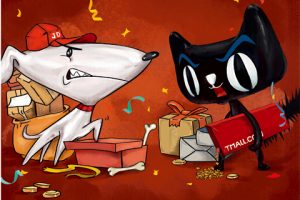
‘There will absolutely be a war’ as e-commerce rivals seek growth in sales of everyday household and grocery items
(Beijing) — For China’s 720 million Internet users, websites run by the country’s two biggest e-commerce companies, Alibaba Group and JD.com, have increasingly become the preferred shopping destinations. From trendy clothing and exquisite accessories to household appliances and the latest tech gadgets, a mouse click can get them almost anything.
Now the e-commerce behemoths are going after everyday indispensables — groceries and household items. Over the past few months, both have poured hundreds of millions of yuan into a price war aimed at dragging shoppers away from supermarkets and corner stores. Amazon.com Inc., Wal-Mart Stores Inc. and other online retailing giants are blazing a similar trail in the U.S.
As JD.com and Alibaba Group Holding Ltd. approach their respective ceilings for growth in sales of other goods, groceries will become the next battleground, said Xu Xin, CEO of the venture capital firm Capital Today, which invested in JD.com. Conquering the market for fresh food and other grocery items may eventually enable e-commerce companies to take control of as much as half of China’s total market for consumer goods sales as Alibaba Chairman Jack Ma expected, Xu said.
In a 2015 letter to shareholders, Ma predicted that ‘over 50% of China’s consumption will be conducted online within 10 years.’
To reach that goal, ‘there will absolutely be a war between Alibaba and JD.com,’ said Cheng Shaoxiong, North China chief for the supermarket division of Tmall, Alibaba’s business-to-consumer site. He said online grocery sales are the last frontier for e-commerce companies.
Online retail is flourishing in China thanks to the country’s highly efficient and low-cost courier industry. In 2015, online purchases accounted for 10.8% of China’s 30 trillion yuan ($4.4 trillion) in retail sales, a 32% increase over the previous year, according to the National Statistics Bureau. For fast-moving consumer goods, including toiletries, soft drinks and fresh food, nearly 20% of the purchases were made online.
By 2020, online sales of fast-moving consumer goods will grow at a much faster pace than apparel and electronics to expand fivefold from today and reach 1.2 trillion yuan, according to Yihaodian, one of China’s earliest online grocery sites.
Fresh food and grocery items with quick turnover and higher profit margins have long been the competitive strength of large supermarket chains such as Wal-Mart and Yonghui Superstores. For e-commerce companies, moving into the sector requires heavy investments in logistics, warehousing and distribution capabilities.
Alibaba and JD.com have made tit-for-tat moves to get footholds in the blossoming online grocery market. On Oct. 19, Alibaba and smaller rival Suning Commerce Group Co. said they have established a new e-commerce joint venture with an investment of 1 billion yuan to manage Suning-owned stores on Alibaba sites. The venture is expected to combine the strengths of both companies. It is also a step forward for a partnership formed last year when Alibaba became Suning’s second-largest shareholder through an equity swap.
The next day, JD.com stepped up its partnership with Wal-Mart. It opened Wal-Mart-branded stores on JD.com, using its huge logistics network to offer fast delivery for Wal-Mart in some cities. Wal-Mart also invested $50 million in the JD.com-backed online grocery specialist New Dada. JD.com and Wal-Mart had formed a strategic alliance in June when Wal-Mart sold its China online grocery store, Yihaodian, to JD.com.
Alibaba is the unrivaled titan in China’s online retail market. In the fiscal year ended in March, the company’s combined sales from its business-to-consumer site Tmall, consumer-to-consumer site Taobao and group-buying service Juhuasuan totaled 2.95 trillion yuan. That dwarfed JD.com’s sales of 462.7 billion yuan, generated mainly from business-to-consumer transactions.
But JD.com is expanding at a faster pace. In the quarter between March and June, JD.com’s gross merchandise volume, a measurement of total sales value, grew 47% from March to June a year earlier. Alibaba’s rose 24%.
‘JD.com is coming within shooting range of Alibaba,’ said a source close to Alibaba’s top management. Since the beginning of this year, Alibaba has set detailed monthly targets to counter JD.com, this individual said.
Despite their healthy sales growth, both companies face the same challenge — a slower expansion of users after years of explosive growth. Alibaba had 423 million active users while JD.com has 188 million, according to company documents.
Testing the Waters
Alibaba tested the supermarket waters in 2012 by launching Tmall grocery services in Shanghai and Hangzhou. But the ‘business proved to be very difficult due to high logistics costs,’ said a former Yihaodian manager who decline to be identified.
It was not until July 2015 that the grocery business was listed as one of Alibaba’s four pillars of online retailing, along with Taobao, Tmall and Juhuasuan. That year, Alibaba spent 1 billion yuan in Beijing alone to subsidize grocery vendors and shoppers. Between 2012 and 2015, Alibaba made heavy investments in logistics and warehouse facilities, enabling it to engage in fresh produce sales, according to a staff member at Tmall.
JD.com quickly set up its own online supermarket division in October 2015. According to company financial reports, in the first quarter this year, JD.com’s grocery sales rose 70% from the previous year, while Alibaba’s supermarket sales grew 220%.
The expansion into groceries by the two e-commerce giants crushed smaller players. Wal-Mart-backed Yihaodian’s market share in the country’s e-commerce market shrank to less than 0.3% in 2015 from 2.6% in 2013, according to the e-commerce research website 100ec.cn. In the first quarter this year, the site barely recorded any growth from a year earlier.

That prompted Wal-Mart’s sale of Yihaodian to JD.com in June in exchange for JD.com equity worth about $1.5 billion. The strategic alliance with Wal-Mart is expected to give JD.com shoppers wider access to imported Wal-Mart products and provide more ammunition for JD.com’s battle with Alibaba.
After the deal, JD.com announced a 1 billion yuan investment in Yihaodian over the next three months and an ambitious goal of developing JD.com as the largest grocery retailer in three years, according to JD.com Vice President Feng Yi.
libaba quickly promised 2 billion yuan in subsidies for shoppers on its Tmall Supermarket site and 2 billion yuan of new investments to improve logistics and the supply chain.
The price war has escalated since September as Tmall Supermarket poured 180 million yuan into discounts for grocery shoppers Sept. 1-9. At the same time, JD.com offered 50% discounts on grocery items.
Some experts have questioned the price-war strategy.
‘The gross profit margin of grocery items is less than 20%,’ said Li Chengdong, an independent e-commerce analyst. Offering such big discounts ‘is like burning money.’
A source close to Tmall Supermarket said Alibaba can afford the discounting because of the umbrella group’s profitability.
But concerns over heavy spending are greater for JD.com, which has yet to make a profit after 12 years in business. In June, JD.com’s share price on the New York Stock Exchange slumped to a historical low since its September 2014 listing. An APS Asset Management report had called money-losing JD.com ‘wildly overpriced.’ The stock revived in August after the second-quarter financial report indicated a narrowing loss.
Last year, JD.com lost $1.4 billion, while Alibaba recorded a net profit of $11.1 billion.
Reshaping Business
After more than a decade, Alibaba and JD.com have developed distinct identities in online retailing. Alibaba’s Tmall and Taobao are the must-go places for many apparel shoppers because of their selection, offered by millions of vendors. JD.com has won more shoppers seeking branded electronic products. Alibaba has been focusing on operating platforms for numerous vendors and shoppers, while JD.com mainly sticks to direct sales backed by its highly effective, self-operated logistics network.

But as the grocery war unfolds, both companies have sought to fine-tune their respective strategies and gradually move in each other’s direction. JD.com’s Feng said the company’s supermarket division aims to challenge Alibaba’s strengths in cosmetics and apparel by expanding product variety.
Meanwhile, Alibaba recently said it sees growth potential in home appliance and cellphone sales. The company has actively expanded using its logistics division Cainiao, which now operates more than 128 warehouses across the country.
Backed by Cainiao’s delivery capacity, Tmall Supermarket has adopted a JD.com-style direct-sales model, offering fresh produce sent directly from its own warehouse, rather than a third-party supplier. At the same time, JD.com has been gradually changing its business structure by inviting more third-party vendors onto its platform. According to company data, third-party vendors accounted for 45% of JD.com’s gross sales in the third quarter, up from 40% a year ago.
As the two companies’ strategies converge, both may increasingly face the same challenges, experts said. For instance, JD.com’s standardized customer services have long been blamed for a lack of interaction with shoppers, failing to lure users to surf among its product catalogue as they usually do in Taobao and Tmall. At the same time, the huge number of vendors on Alibaba’s platforms has made controlling counterfeit or substandard products a longstanding headache.
The e-commerce giants’ efforts to reshape their businesses echoed Alibaba Chairman Ma’s call for e-commerce companies to adapt a radical change in the global retail industry as the boundary between online and offline sales becomes increasingly blurred.
‘In the coming years, we anticipate the birth of a reimagined retail industry driven by the integration of online, offline, logistics and data across a single value chain,’ Ma wrote to Alibaba shareholders in a letter last week. ‘With e-commerce itself rapidly becoming a ‘traditional business,’ pure e-commerce players will soon face tremendous challenges. This is why we are adapting.’

Milk price surges to highest point in 2 years
Economists went back to the drawing board to revise up their farmgate milk price forecasts after wholemilk powder prices hit their highest point in just over two years at this morning’s GlolbalDairyTrade (GDT) auction.
The GDT price index jumped by 11.4 per cent but the price of whole milk powder – which has the greatest influence over Fonterra’s farmgate milk price – shot up by a much stronger than expected 20 per cent to US$3317/tonne.
Westpac revised up its farm gate milk price this season to $5.80 a kg from a previous forecast of $5.30 and ANZ said there were “upside risks” to forecasts into the low $6.00/kg mark.
ANZ said there appeared to be an element of buyers scrambling to meet near-term demand against a backdrop of reduced local supply, which has been curtailed by a wet and colder than normal spring.
“The key question now is whether or not gains can be maintained, especially with the possibility of warmer temperatures seeing improved North Island pasture growth,” ANZ said in a commentary.
“Even so, farmers will no doubt welcome the move and it certainly suggests upside risks to milk price forecasts, perhaps into the low NZ$6 mark per kg of milk solids,” ANZ said. ASB Bank and Rabobank have predicted a $6.00 milk price, compared with Fonterra’s forecast of $5.25/kg.
After several auctions, when prices remained broadly stable, markets seem to have reacted strongly to Fonterra’s revised production estimates for the 2016/17 season, Westpac senior economist Anne Boniface said.
In particular, Chinese bidders were notably more active in the latest auction, crowding out buyers from other regions, she said. “This suggests a genuine concern about being left short of stock is helping drive prices higher,” she said.
Fonterra has been drawing attention to the poor October milk flows in parts of the upper North Island. The catalyst for the downward revisions to local production has been too much rain during October in key dairying regions including the Waikato, Northland and Bay of Plenty.
Consequently, Fonterra is now expecting to collect seven per cent less milk this season than last.
ASB rural economist Nathan Penny, who has long forecast a $6.00/kg milk price, said the lift in prices on the basis of rapidly falling production was just a matter of time.
“The ‘big wet’ has also sped up the dairy price correction, meaning we are ahead of where we thought prices would be at this stage of the season,” he said. “In fact, prices have both lifted earlier and higher than we anticipated,” he said.
As a result, if New Zealand production is indeed as weak as we anticipate, then prices are likely to stabilise at current levels, if not lift further, he said.
“In this respect, we see an increasing probability that this season’s milk price lifts above our current $6.00/kg forecast,” Penny said.
Source:http://mobile.nzherald.co.nz/business/news/article.php?c_id=3&objectid=11740593
www.aartd.com
AARTD美女记者在李曼大会上采访猪业国内外重量级专家!
第五届李曼中国养猪大会暨2016世界养猪产业博览会在南京胜利召开。AARTD的美女记者Bonnie Mei有幸对养猪业国内外知名领军人物进行了采访。
这次采访收获颇多,意义深远,专家们在专业知识,业内热点行情,行业发展理念,业内面临的挑战以及解决实际问题的方案等多方面给我们进行了讲解,提供了很多养猪行业内最新的宝贵信息。
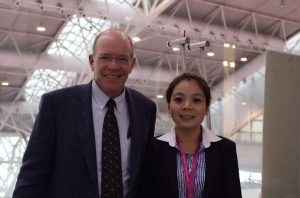
莫瑞森博士(Dr.Bob Morrison)是明尼苏达大学养猪小组的兽医教授。他热心教学,并从事养猪行业的应用研究和服务。他的职责之一是作为一年一度的李曼养猪大会的项目主席。他还是知名网络教育系统“At the meeting”的主持人。鲍勃还参与一个位于明尼苏达西部,有3000头母猪的自家拥有猪场的管理。他为美国及世界范围小型和大型猪场提供咨询。鲍勃既有养猪方面的经验,又有商业教育背景,集养猪生产应用科学和商业管理于一身。
Dr.Bob Morrison给我们介绍了如何教猪场工作人员生产健康,安全,价格合理的产品,以及如何做好疾病控制等重要内容。(详细采访内容稍后发布,请您持续关注!)
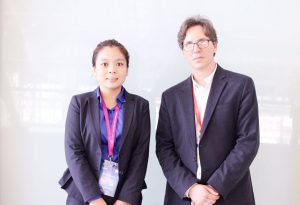
佩卓•尤罗拉博士(Pedro E.Urriola)于2003年从委内瑞拉中央大学兽医学院本科毕业,他在美国明尼苏达大学完成了猪营养学的硕士学位,在伊利诺伊大学获得猪营养学博士学位。他硕士和博士研究致力于提高生长猪饲料中替代饲料成分的营养利用,在研究成果基础上发表了6篇论文,19篇学术会议文章和一本书的章节。他在美国和拉美为多个产业团体,养殖户和饲料行业做学术报告。目前,他是明尼苏达大学动物科学系的一名助理教授,工作是继续对工业副产品进行营养评估,尤其是酒漕及可溶物,但是更着重于能量,氨基酸,磷和膳食纤维等诸多方面。他们的研究成果获得了美国动物科学协会的专业认可和嘉奖。尤罗拉博士还参与了与明尼苏达大学兽医学院合作的猪冠状病毒传播的管理以及控制项目。
佩卓•尤罗拉博士对于在工作室里遇到的最重要的三个问题为我们进行了介绍和讲解。(详细采访内容稍后发布,请您持续关注!)
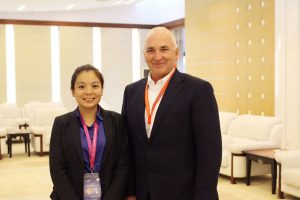
高登•思邦克博士(Dr.Spronk)是派普斯通兽医诊所的董事会主席,兽医官和合伙人。他在明尼苏达大学兽医学院获得了本科和博士学位。毕业后,他在明尼苏达西南部开始了他的兽医职业生涯,致力于奶牛和猪的健康项目。思邦克博士参与了许多学术和商业活动,他是多个生猪生产企业的创始人之一和前主席,至今仍然积极参与企业活动并拥有股权。思邦克博士于2011年被授予了实践科学奖(明尼苏达大学),2000年获得年度养猪从业者奖(AASV)。
高登•思邦克博士给我们介绍了今年工作中遇到的最大的三个挑战。(详细采访内容稍后发布,请您持续关注!)
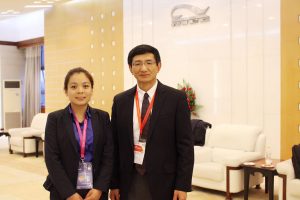
刘爱民(Frank Liu),美国明尼苏达大学兽医学院中国项目主任。他在兽医学院的其它工作经历包括8年兽医诊断实验室和1年动物健康和食品安全中心。刘博士在美国明尼苏达大学有5年的博士后研究经验,并发表了近40篇论文,摘要、书籍章节和编辑书籍。从2004年到2006他是一家生物技术公司的创建人并担任CEO。1998到2001年,他在总部在东南亚的UNCTD下属国际组织担任农业部门负责人和地区项目协调员。刘博士积极参与养猪相关的教育和推广活动,并为中国养猪生企业提供顾问咨询和与国外先进技术搭建桥梁。他于2012年把李曼大会引进中国,负责组织召开中国李曼养猪大会。并以李曼大会为平台,为中国养猪行业提供高质量和结合生产的培训内容,把李曼中国培育成行业知名品牌。他还在中国组织开展其它兽医继续教育相关的项目。
刘博士给我们介绍了在中国发展第三方兽医诊断实验室需要的支持以及国外的新理念和新思维。(详细采访内容稍后发布,请您持续关注!)
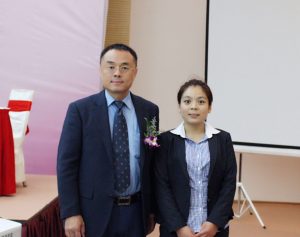
闫之春(Jason Yan), 现任新希望六和首席科学家,曾任美国谷物协会北京办事处技术主任,技术工作的重点是现代养猪企业的生产效率和健康管理,同时兼顾现代饲料生产的加工过程控制和质量管理。
闫博士给我们介绍了猪业面临的挑战和解决实际问题的方案。(详细采访内容稍后发布,请您持续关注!)
专家们给我们分享了很多宝贵的行业信息,让我们学习到了猪业的相关知识,并对养猪行业有了更深的了解和认识。我们将用这次在李曼大会上收获的财富来更好地为大家服务。
更多精彩稍后继续,请您持续关注!
文章来源:AARTD独家
欲了解更多行业内高薪职位,请关注我们的Linkedin公司账号:http://www.linkedin.com/company/aartd—asian-agribusiness-recruitment-training-&-development
为了中国农业及您个人更好的发展,请关注我们的网站:https://aartd.com

第五届李曼中国养猪大会暨2016世界养猪产业博览会在南京胜利召开。AARTD的美女记者Bonnie Mei有幸对养猪业国内外知名领军人物进行了采访。
这次采访收获颇多,意义深远,专家们在专业知识,业内热点行情,行业发展理念,业内面临的挑战以及解决实际问题的方案等多方面给我们进行了讲解,提供了很多养猪行业内最新的宝贵信息。
莫瑞森博士(Dr.Bob Morrison)是明尼苏达大学养猪小组的兽医教授。他热心教学,并从事养猪行业的应用研究和服务。他的职责之一是作为一年一度的李曼养猪大会的项目主席。他还是知名网络教育系统“At the meeting”的主持人。鲍勃还参与一个位于明尼苏达西部,有3000头母猪的自家拥有猪场的管理。他为美国及世界范围小型和大型猪场提供咨询。鲍勃既有养猪方面的经验,又有商业教育背景,集养猪生产应用科学和商业管理于一身。
Dr.Bob Morrison给我们介绍了如何教猪场工作人员生产健康,安全,价格合理的产品,以及如何做好疾病控制等重要内容。(详细采访内容稍后发布,请您持续关注!)
佩卓•尤罗拉博士(Pedro E.Urriola)于2003年从委内瑞拉中央大学兽医学院本科毕业,他在美国明尼苏达大学完成了猪营养学的硕士学位,在伊利诺伊大学获得猪营养学博士学位。他硕士和博士研究致力于提高生长猪饲料中替代饲料成分的营养利用,在研究成果基础上发表了6篇论文,19篇学术会议文章和一本书的章节。他在美国和拉美为多个产业团体,养殖户和饲料行业做学术报告。目前,他是明尼苏达大学动物科学系的一名助理教授,工作是继续对工业副产品进行营养评估,尤其是酒漕及可溶物,但是更着重于能量,氨基酸,磷和膳食纤维等诸多方面。他们的研究成果获得了美国动物科学协会的专业认可和嘉奖。尤罗拉博士还参与了与明尼苏达大学兽医学院合作的猪冠状病毒传播的管理以及控制项目。
佩卓•尤罗拉博士对于在工作室里遇到的最重要的三个问题为我们进行了介绍和讲解。(详细采访内容稍后发布,请您持续关注!)
高登•思邦克博士(Dr.Spronk)是派普斯通兽医诊所的董事会主席,兽医官和合伙人。他在明尼苏达大学兽医学院获得了本科和博士学位。毕业后,他在明尼苏达西南部开始了他的兽医职业生涯,致力于奶牛和猪的健康项目。思邦克博士参与了许多学术和商业活动,他是多个生猪生产企业的创始人之一和前主席,至今仍然积极参与企业活动并拥有股权。思邦克博士于2011年被授予了实践科学奖(明尼苏达大学),2000年获得年度养猪从业者奖(AASV)。
高登•思邦克博士给我们介绍了今年工作中遇到的最大的三个挑战。(详细采访内容稍后发布,请您持续关注!)
刘爱民(Frank Liu),美国明尼苏达大学兽医学院中国项目主任。他在兽医学院的其它工作经历包括8年兽医诊断实验室和1年动物健康和食品安全中心。刘博士在美国明尼苏达大学有5年的博士后研究经验,并发表了近40篇论文,摘要、书籍章节和编辑书籍。从2004年到2006他是一家生物技术公司的创建人并担任CEO。1998到2001年,他在总部在东南亚的UNCTD下属国际组织担任农业部门负责人和地区项目协调员。刘博士积极参与养猪相关的教育和推广活动,并为中国养猪生企业提供顾问咨询和与国外先进技术搭建桥梁。他于2012年把李曼大会引进中国,负责组织召开中国李曼养猪大会。并以李曼大会为平台,为中国养猪行业提供高质量和结合生产的培训内容,把李曼中国培育成行业知名品牌。他还在中国组织开展其它兽医继续教育相关的项目。
刘博士给我们介绍了在中国发展第三方兽医诊断实验室需要的支持以及国外的新理念和新思维。(详细采访内容稍后发布,请您持续关注!)
闫之春(Jason Yan), 现任新希望六和首席科学家,曾任美国谷物协会北京办事处技术主任,技术工作的重点是现代养猪企业的生产效率和健康管理,同时兼顾现代饲料生产的加工过程控制和质量管理。
闫博士给我们介绍了猪业面临的挑战和解决实际问题的方案。(详细采访内容稍后发布,请您持续关注!)
专家们给我们分享了很多宝贵的行业信息,让我们学习到了猪业的相关知识,并对养猪行业有了更深的了解和认识。我们将用这次在李曼大会上收获的财富来更好地为大家服务。
更多精彩稍后继续,请您持续关注!
文章来源:AARTD独家
欲了解更多行业内高薪职位,请关注我们的Linkedin公司账号:http://www.linkedin.com/company/aartd—asian-agribusiness-recruitment-training-&-development
为了中国农业及您个人更好的发展,请关注我们的网站:https://aartd.com
第五届李曼中国养猪大会暨2016世界养猪产业博览会在南京胜利召开。AARTD的美女记者Bonnie Mei有幸对养猪业国内外知名领军人物进行了采访。
这次采访收获颇多,意义深远,专家们在专业知识,业内热点行情,行业发展理念,业内面临的挑战以及解决实际问题的方案等多方面给我们进行了讲解,提供了很多养猪行业内最新的宝贵信息。
莫瑞森博士(Dr.Bob Morrison)是明尼苏达大学养猪小组的兽医教授。他热心教学,并从事养猪行业的应用研究和服务。他的职责之一是作为一年一度的李曼养猪大会的项目主席。他还是知名网络教育系统“At the meeting”的主持人。鲍勃还参与一个位于明尼苏达西部,有3000头母猪的自家拥有猪场的管理。他为美国及世界范围小型和大型猪场提供咨询。鲍勃既有养猪方面的经验,又有商业教育背景,集养猪生产应用科学和商业管理于一身。
Dr.Bob Morrison给我们介绍了如何教猪场工作人员生产健康,安全,价格合理的产品,以及如何做好疾病控制等重要内容。(详细采访内容稍后发布,请您持续关注!)
佩卓•尤罗拉博士(Pedro E.Urriola)于2003年从委内瑞拉中央大学兽医学院本科毕业,他在美国明尼苏达大学完成了猪营养学的硕士学位,在伊利诺伊大学获得猪营养学博士学位。他硕士和博士研究致力于提高生长猪饲料中替代饲料成分的营养利用,在研究成果基础上发表了6篇论文,19篇学术会议文章和一本书的章节。他在美国和拉美为多个产业团体,养殖户和饲料行业做学术报告。目前,他是明尼苏达大学动物科学系的一名助理教授,工作是继续对工业副产品进行营养评估,尤其是酒漕及可溶物,但是更着重于能量,氨基酸,磷和膳食纤维等诸多方面。他们的研究成果获得了美国动物科学协会的专业认可和嘉奖。尤罗拉博士还参与了与明尼苏达大学兽医学院合作的猪冠状病毒传播的管理以及控制项目。
佩卓•尤罗拉博士对于在工作室里遇到的最重要的三个问题为我们进行了介绍和讲解。(详细采访内容稍后发布,请您持续关注!)
高登•思邦克博士(Dr.Spronk)是派普斯通兽医诊所的董事会主席,兽医官和合伙人。他在明尼苏达大学兽医学院获得了本科和博士学位。毕业后,他在明尼苏达西南部开始了他的兽医职业生涯,致力于奶牛和猪的健康项目。思邦克博士参与了许多学术和商业活动,他是多个生猪生产企业的创始人之一和前主席,至今仍然积极参与企业活动并拥有股权。思邦克博士于2011年被授予了实践科学奖(明尼苏达大学),2000年获得年度养猪从业者奖(AASV)。
高登•思邦克博士给我们介绍了今年工作中遇到的最大的三个挑战。(详细采访内容稍后发布,请您持续关注!)
刘爱民(Frank Liu),美国明尼苏达大学兽医学院中国项目主任。他在兽医学院的其它工作经历包括8年兽医诊断实验室和1年动物健康和食品安全中心。刘博士在美国明尼苏达大学有5年的博士后研究经验,并发表了近40篇论文,摘要、书籍章节和编辑书籍。从2004年到2006他是一家生物技术公司的创建人并担任CEO。1998到2001年,他在总部在东南亚的UNCTD下属国际组织担任农业部门负责人和地区项目协调员。刘博士积极参与养猪相关的教育和推广活动,并为中国养猪生企业提供顾问咨询和与国外先进技术搭建桥梁。他于2012年把李曼大会引进中国,负责组织召开中国李曼养猪大会。并以李曼大会为平台,为中国养猪行业提供高质量和结合生产的培训内容,把李曼中国培育成行业知名品牌。他还在中国组织开展其它兽医继续教育相关的项目。
刘博士给我们介绍了在中国发展第三方兽医诊断实验室需要的支持以及国外的新理念和新思维。(详细采访内容稍后发布,请您持续关注!)
闫之春(Jason Yan), 现任新希望六和首席科学家,曾任美国谷物协会北京办事处技术主任,技术工作的重点是现代养猪企业的生产效率和健康管理,同时兼顾现代饲料生产的加工过程控制和质量管理。
闫博士给我们介绍了猪业面临的挑战和解决实际问题的方案。(详细采访内容稍后发布,请您持续关注!)
专家们给我们分享了很多宝贵的行业信息,让我们学习到了猪业的相关知识,并对养猪行业有了更深的了解和认识。我们将用这次在李曼大会上收获的财富来更好地为大家服务。
更多精彩稍后继续,请您持续关注!
文章来源:AARTD独家
欲了解更多行业内高薪职位,请关注我们的Linkedin公司账号:http://www.linkedin.com/company/aartd—asian-agribusiness-recruitment-training-&-development
为了中国农业及您个人更好的发展,请关注我们的网站:https://aartd.com


